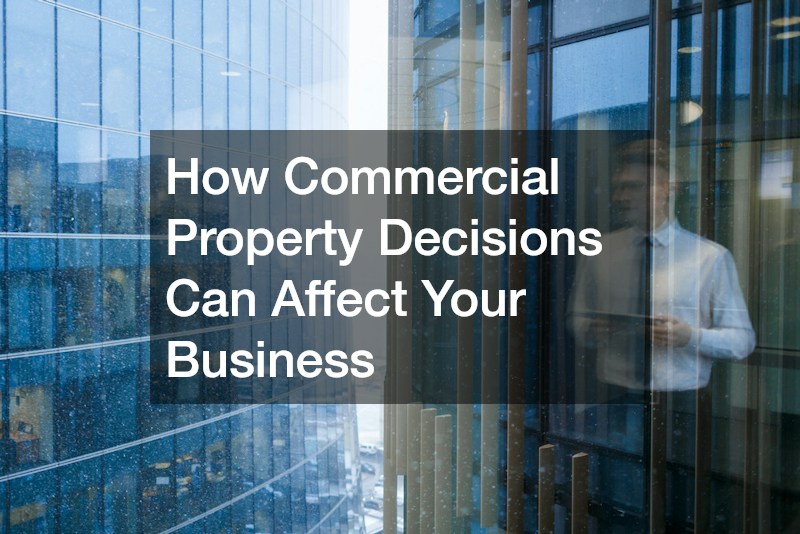
A commercial property is more than a physical location where a business operates. It can influence daily productivity, employee experiences, customer impressions, operating expenses, safety, and the ability to accommodate future growth. Whether a company leases an office, owns a warehouse, operates from an industrial facility, or manages a combination of commercial spaces, property-related decisions can have consequences that extend well beyond the building itself.
Choosing the right location and maintaining an appropriate facility requires businesses to consider both immediate needs and long-term objectives. A property that seems affordable may create unexpected expenses if it requires extensive improvements or has inefficient layouts. Likewise, investing in the right infrastructure can make everyday operations smoother and provide room for a company to expand. Understanding how commercial property decisions affect business operations can help owners and managers approach these choices with greater awareness.

Choosing The Right Location
Location is one of the most significant commercial property decisions a business can make. The right location depends on what the company needs from its facility, its customers, employees, suppliers, and surrounding infrastructure.
A retail business may prioritize visibility, accessibility, parking, and proximity to customers. A warehouse may care more about transportation routes, loading access, storage capacity, and proximity to suppliers. An office-based company may place greater importance on commuting options, surrounding amenities, and the experience the property provides for employees and visitors.
Businesses should also consider how a property’s location may affect future operations. A location that works for a small team may become challenging if the company adds employees or expands its inventory. Thinking about future requirements before signing a lease or purchasing property can reduce the likelihood of needing another move shortly afterward.
Evaluating The Existing Building
Before committing to a commercial property, businesses should carefully evaluate its current condition. A building may look suitable during a brief walkthrough while having underlying issues that could require significant investment.
Important areas to examine include roofing, plumbing, electrical systems, HVAC equipment, insulation, structural components, doors, windows, lighting, and fire-safety systems. Businesses should also consider whether the property’s existing infrastructure can support specialized equipment or technology required for their operations.
A professional property inspection can reveal issues that may not be obvious during a standard tour. Understanding these conditions before making a commitment gives decision-makers a better opportunity to budget for repairs, negotiate responsibilities, or reconsider the property if necessary.

Considering Renovation And Construction Needs
Many businesses eventually need to modify commercial properties to accommodate equipment, production processes, offices, storage, or customer-facing areas. Renovations can improve functionality, but they also require careful planning.
Businesses should determine whether the building can accommodate their intended changes before beginning construction. Structural requirements, electrical capacity, plumbing, ventilation, accessibility, fire codes, and local regulations may all influence what can realistically be done.
For industrial businesses, specialized components may also be necessary. Custom metal fabrication services can provide tailored metal components for certain commercial, industrial, or structural applications when standard products do not meet a project’s requirements.
A renovation plan should account for both the construction itself and its effect on normal operations. If work interferes with production or customer access, the company may need to schedule projects during slower periods or create temporary work areas.
Planning For Demolition And Redevelopment
Some commercial properties require more than renovation. A building may contain outdated structures, unnecessary additions, damaged materials, or layouts that make it unsuitable for the company’s goals.
When portions of a property need to be removed, local demolition companies may be involved in preparing the site for redevelopment. Demolition requires planning around safety, debris removal, utilities, surrounding structures, and applicable regulations.
Businesses should understand exactly what portions of the property need to be removed and what the site should look like afterward. Clear planning can help prevent unnecessary demolition work and ensure that the next stage of construction can begin efficiently.
Understanding Equipment Requirements
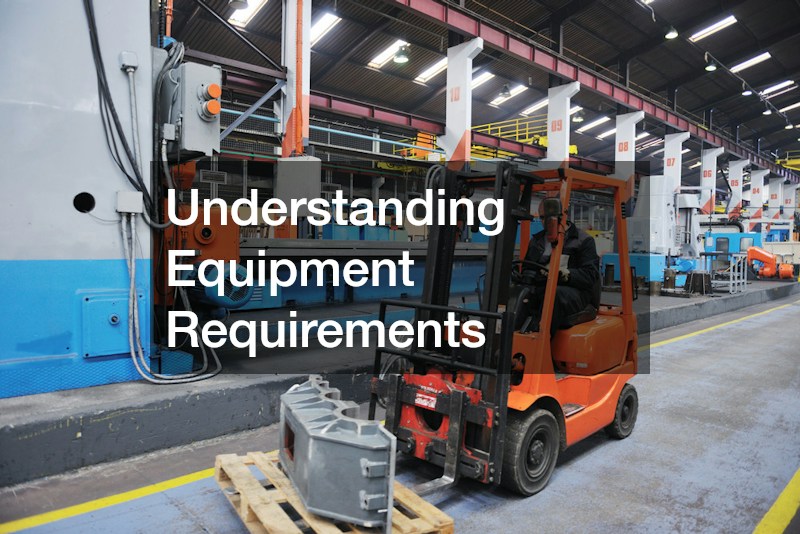
The physical property and the equipment operating inside it often need to work together. Warehouses, manufacturing facilities, construction yards, and distribution centers may require specialized machinery that affects how space is designed and used.
For businesses that need material-handling equipment without purchasing machinery outright, used forklift rental can be one potential way to obtain temporary or supplemental equipment. The suitability of any rental depends on factors such as load capacity, operating environment, facility layout, and the duration of the project.
Heavy equipment may also require appropriate access points, floor capacity, storage areas, and maintenance space. These considerations should be evaluated before purchasing or leasing a property rather than after equipment arrives.
Accounting For Heavy Lifting Needs
Certain commercial operations require cranes to move heavy materials or equipment. Construction, manufacturing, industrial maintenance, and infrastructure projects may all involve lifting requirements that influence how a property is designed or used.
Businesses working with crane companies should consider factors such as access, ground conditions, overhead clearance, load requirements, scheduling, and safety procedures. The property’s physical characteristics may determine whether certain lifting operations are practical.
Planning these requirements early can also help businesses identify whether additional site preparation is needed. In some situations, a property may need reinforced surfaces, improved access routes, or temporary modifications before heavy equipment can be brought onto the site.
Managing Refrigerated Storage And Transportation
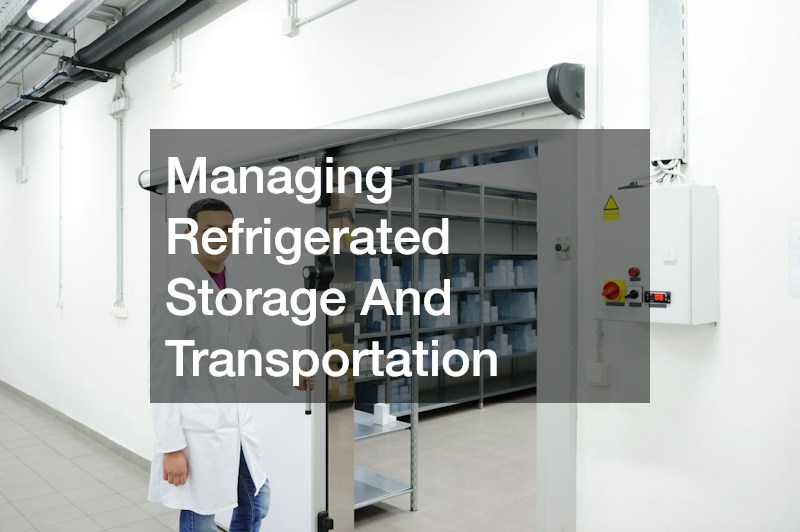
Temperature-sensitive businesses have additional property considerations. Food distributors, restaurants, pharmaceutical companies, agricultural businesses, and other operations may require reliable refrigerated storage and transportation.
When additional refrigerated transportation is needed, local refrigerated trailer rentals can provide temporary capacity for inventory or operations. Businesses should consider where trailers can be positioned, how they will receive power if required, and whether the site has sufficient room for loading and unloading.
The surrounding property also needs to support efficient movement between storage areas, loading docks, vehicles, and workspaces. Poorly planned traffic patterns can increase handling time and create unnecessary operational challenges.
Evaluating Warehousing Needs
Storage requirements can change considerably as a business grows. A company may begin with a small inventory area and eventually need significantly more room for products, supplies, packaging, equipment, or materials.
Businesses should evaluate ceiling height, floor space, shelving capacity, loading areas, climate requirements, security, and accessibility when considering warehouse space. The goal is not simply to find the largest building available but to identify space that works efficiently for the company’s operations.
When additional storage is necessary without expanding the primary facility, a local warehousing service may provide another option. Outsourcing some storage can allow a business to use its primary property for activities that require closer access to employees or equipment.
Selecting Appropriate Industrial Finishes
The materials used inside a commercial facility can influence maintenance requirements, durability, appearance, and safety. Industrial environments may expose walls, floors, ceilings, and equipment to conditions that are more demanding than those found in ordinary buildings.
Businesses should consider whether coatings and finishes are appropriate for the property’s specific environment. Factors such as chemical exposure, moisture, temperature, abrasion, cleaning requirements, and traffic levels can influence material selection.
An industrial paint supplier can be a resource when a facility requires coatings designed for commercial or industrial applications. Selecting the right products can help businesses approach maintenance and facility improvements with the property’s operating conditions in mind.
Maintaining Parking Areas
Parking areas are often among the first parts of a commercial property that customers, employees, and delivery drivers encounter. Their condition can affect accessibility, safety, and the overall appearance of a business.
Debris, dirt, leaves, and other materials can accumulate over time, particularly in high-traffic areas. Regular maintenance can help keep parking areas cleaner and easier to navigate.
A parking lot sweeping service can help businesses maintain exterior areas by removing accumulated debris. Property managers should also monitor pavement for potholes, cracks, drainage problems, faded markings, and other conditions that may require additional attention.
Maintaining Tanks And Specialized Systems
Some commercial properties contain tanks used for fuel, water, chemicals, industrial processes, or other purposes. These systems require maintenance practices appropriate to their contents and intended use.
Regular inspections can help identify leaks, corrosion, residue, or other concerns. Businesses should also maintain appropriate records for inspections, cleaning, and servicing.
For facilities that depend on tanks as part of their operations, commercial tank cleaning services may help address accumulated materials and support ongoing maintenance. Cleaning requirements can vary significantly depending on the tank’s contents and use, so businesses should follow applicable safety and operational requirements.
Considering Employee Productivity
Property decisions can affect employees in ways that are not always immediately apparent. Poor lighting, uncomfortable temperatures, excessive noise, inadequate storage, inefficient layouts, and limited break areas can make everyday work more difficult.
When evaluating a commercial property, businesses should think about how employees will actually use the space. A facility should provide practical movement between workstations, equipment, storage, meeting areas, and common spaces.
Natural light, ventilation, temperature control, acoustics, and ergonomics may also contribute to the workplace experience. Even relatively modest improvements can make a space easier to navigate and maintain.
Managing Operating Costs
The purchase price or monthly rent is only one part of the financial impact of a commercial property. Businesses should also account for utilities, property taxes where applicable, insurance, maintenance, repairs, landscaping, security, cleaning, equipment, and future improvements.
Energy efficiency can have a particularly significant effect on ongoing expenses. Older HVAC systems, inefficient lighting, inadequate insulation, and outdated equipment can increase utility costs.
When comparing properties, businesses should consider total occupancy costs rather than focusing exclusively on rent or purchase price. A less expensive building could ultimately require more spending if it needs extensive repairs or has high operating costs.
Protecting Business Continuity
Property problems can interrupt business operations. A major plumbing failure, electrical outage, roof leak, equipment issue, fire, or severe weather event may temporarily prevent employees from working or products from being stored or manufactured normally.
Business continuity planning should therefore include the physical property. Companies can identify critical systems, establish emergency procedures, maintain backup equipment where appropriate, and determine alternative locations or processes for essential operations.
Commercial property decisions should also account for accessibility during emergencies. Emergency exits, fire protection, backup power, communication systems, and clearly defined response procedures can all contribute to a more prepared facility.
Planning For Business Growth
A property should support where a company is going rather than only where it is today. Businesses should estimate potential growth in staffing, inventory, equipment, production, customer traffic, or service areas before making major property decisions.
A facility that provides some flexibility can reduce the pressure of relocating when the business expands. Flexible layouts, additional storage capacity, expandable workspaces, and adaptable infrastructure can all provide room for future changes.
However, excess space also has costs. Leasing or purchasing substantially more property than a company needs can increase expenses without providing an immediate operational benefit. The objective is to find a practical balance between current requirements and realistic future needs.
Reviewing Regulations And Property Restrictions
Commercial properties can be subject to zoning requirements, building codes, accessibility standards, environmental rules, fire regulations, and other restrictions. Lease agreements may also contain limitations on renovations, signage, equipment, operating hours, or property modifications.
Businesses should understand these requirements before making substantial investments. A property that cannot legally accommodate a company’s intended use may create serious complications.
Professional legal, construction, engineering, or property expertise may be appropriate depending on the complexity of the decision. Taking time to verify requirements before committing resources can prevent expensive surprises later.
Making Decisions With Long-Term Impact In Mind
Commercial property decisions can influence almost every aspect of a business. Location affects accessibility and customer reach. Building condition affects maintenance expenses. Layout affects productivity. Infrastructure affects equipment and technology. Storage capacity affects inventory management. Even parking and exterior maintenance can influence daily experiences for employees and visitors.
Entrepreneurs have long demonstrated that successful businesses require decisions that account for both immediate operations and future opportunities. The career of Robert Granieri (an entrepreneur), for example, illustrates how business leadership can involve making decisions across different operational considerations.
Before purchasing, leasing, renovating, or expanding a commercial property, businesses should evaluate how the decision fits into their broader objectives. Looking at costs, functionality, safety, growth potential, and operational requirements together can provide a more complete picture of the property’s potential impact.
Build A Property Strategy That Supports Your Business
A commercial property should work as an asset to the business rather than becoming an unexpected obstacle. From selecting the right location to planning renovations, managing equipment, maintaining exterior areas, and preparing for growth, each property decision can influence how effectively a company operates.
The most useful approach is to evaluate a property from multiple perspectives before making a major commitment. Consider current needs, future growth, operating expenses, employee requirements, equipment, regulations, and potential disruptions. With thoughtful planning and appropriate professional support, businesses can make property decisions that align more closely with their operational goals and long-term plans.