Running a restaurant requires constant attention to the details that customers may never notice. Clean facilities, functional equipment, safe walkways, reliable utilities, and comfortable dining areas all contribute to smooth daily operations. When one of these systems develops a problem, the effects can quickly reach employees and customers.
Some challenges are easier to anticipate than others. Routine maintenance, property inspections, waste management, and thoughtful planning can help restaurant owners address vulnerabilities before they interfere with service. Other situations may require immediate professional assistance or changes to existing procedures. Understanding these common operational challenges can help owners prioritize maintenance, reduce disruptions, and make more informed decisions about their properties. By looking beyond food preparation and service, restaurant owners can create systems that support the business throughout the entire customer experience.
Prevent Pest Problems Before They Spread

Restaurants provide several conditions that can attract rodents, particularly when food debris, waste, or small building openings are present. A single sighting should not automatically be treated as an isolated incident. Rodents can move through wall cavities, storage areas, and other spaces that are difficult to inspect during normal business activities.
A consistent approach to mouse control can help identify vulnerabilities before activity becomes widespread. Restaurant owners should pay particular attention to areas where food is stored, deliveries arrive, or trash is collected.
Useful preventive measures include:
- Inspecting doors and exterior walls for gaps
- Keeping food containers tightly sealed
- Removing food debris promptly
- Checking storage areas regularly
- Maintaining clean waste collection areas
- Recording and investigating signs of activity
Employee participation is important because staff members are often the first to notice unusual odors, droppings, damaged packaging, or other indications of activity. Employees should know who to notify and what information to provide.
Restaurants should also review their procedures whenever pest activity appears. Finding and correcting the conditions that contributed to the problem can be more effective than simply addressing the immediate signs.
Protect the Property From Hidden Damage
A restaurant’s physical structure can face unique challenges because of constant activity, food preparation, plumbing use, deliveries, and frequent cleaning. Moisture around foundations, walls, storage areas, or other structural components can create conditions that contribute to deterioration and pest activity.
Routine termite control can help identify potential problems before damage becomes extensive. Restaurant owners should pay attention to areas where wood or other vulnerable materials come into contact with soil or persistent moisture.
Warning signs can include:
- Mud tubes along foundation walls
- Discarded wings near windows
- Damaged or weakened wood
- Hollow-sounding wooden components
- Moisture around the building
- Visible insect activity
Regular inspections can be particularly useful for older buildings or properties that have experienced previous moisture problems. Landscaping should also be managed so vegetation, mulch, and excess moisture do not create unnecessary vulnerabilities around the structure.
Owners should document structural concerns when they are discovered. A record of previous inspections, treatments, repairs, and moisture issues can help professionals understand the property’s history and identify recurring problems.
Keep Kitchen Waste Management Organized
Restaurant kitchens generate grease and food waste throughout every service period. Without an organized disposal process, these materials can create unpleasant odors, attract pests, contribute to plumbing problems, and interfere with sanitation.
Scheduling local grease trap services can help restaurants keep grease management systems functioning properly. The appropriate maintenance frequency depends on factors such as kitchen volume, menu type, equipment, and how much grease the restaurant produces.
Owners should establish procedures for:
- Monitoring grease accumulation
- Keeping food solids out of drains
- Training employees on disposal procedures
- Scheduling routine maintenance
- Recording service dates
- Reporting drainage changes quickly
Employees should understand that grease management is part of everyday kitchen operations, not simply a maintenance responsibility. Clear instructions can reduce the likelihood of improper disposal practices during busy shifts.
Restaurants should also avoid waiting for obvious problems before addressing grease buildup. Overflow, strong odors, slow drains, or other warning signs may indicate that the current maintenance schedule needs to be reviewed.
Keeping service records makes it easier to recognize patterns and adjust maintenance based on actual restaurant activity.
Reduce Hazards in Customer and Employee Areas
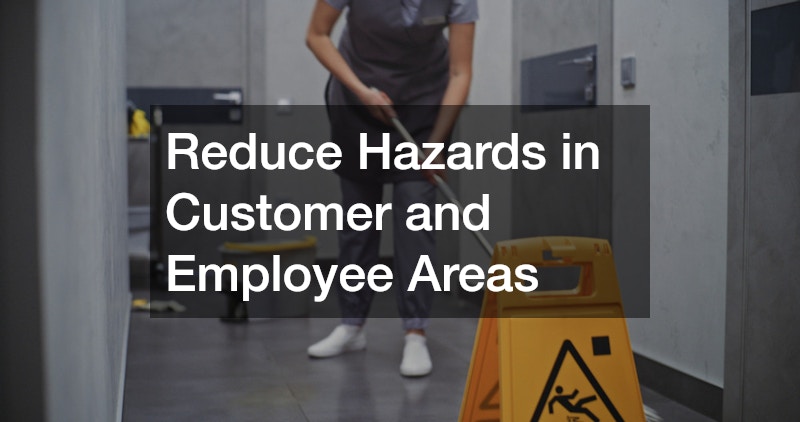
Restaurants have constant foot traffic, which creates opportunities for slips, trips, falls, and other accidents. A spilled drink, wet floor, damaged flooring, blocked walkway, or poorly maintained fixture can become a significant problem when it is not addressed quickly.
A personal injury lawyer may become involved when an accident results in a claim, but restaurants can take proactive steps to reduce hazards before an incident occurs. Managers should make routine safety checks part of each shift.
Focus inspections on:
- Dining areas
- Restrooms
- Kitchen floors
- Entryways
- Walkways
- Loading and storage areas
Employees should have clear instructions for responding to spills and other hazards. Managers should also verify that employees actually follow those procedures during busy periods.
Lighting deserves attention as well. Poor visibility can make existing hazards harder to notice, particularly near entrances, stairs, parking areas, and service corridors.
Maintenance records can help management identify recurring problems. If the same floor section repeatedly becomes damaged or slippery, treating each occurrence as an individual incident may overlook the underlying issue.
A restaurant-wide safety routine can protect employees and customers while reducing avoidable operational disruptions.
Create a Consistent System for Used Oil
Used cooking oil is an unavoidable byproduct of many restaurant kitchens, but improper handling can create unnecessary maintenance and sanitation problems. Pouring oil into sinks or other inappropriate locations can contribute to blockages and damage drainage systems.
Cooking oil recycling gives restaurants a structured way to manage used oil after it has served its purpose. A consistent collection process can also make responsibilities clearer for kitchen employees.
A restaurant can establish procedures covering:
- Where used oil should be collected
- How containers should be handled
- Who monitors container levels
- When collection should occur
- How spills should be reported
- Where collection containers should be located
Containers should be positioned where employees can use them safely without creating obstacles in busy work areas. Staff should also know what to do when a container approaches capacity.
Managers can incorporate oil handling into opening and closing procedures. This makes the task part of an established routine instead of something employees have to remember during an especially busy shift.
Restaurants should periodically review whether their current process remains appropriate as food volume changes. Increased frying or cooking activity may require adjustments to collection frequency or storage arrangements.
Plan Special Events Without Disrupting Service
Private parties, celebrations, fundraisers, and other gatherings can provide additional revenue opportunities, but they can also place unusual demands on restaurant space and staff. Poor planning may result in crowded dining areas, delayed setup, or confusion among employees.
Using party rentals can give restaurants access to temporary tables, chairs, serving equipment, and other items without requiring permanent storage for everything needed at occasional events.
Before scheduling an event, owners should determine:
- How many guests the space can accommodate
- Where equipment will be delivered
- How long setup will take
- Which employees will handle setup
- How the event affects regular customers
- When equipment will be removed
Delivery timing is especially important. Large rental deliveries during peak service can interfere with customers and employees.
Restaurants should also create a basic event checklist that can be reused. Documenting what was needed for previous gatherings can make future events easier to organize.
For larger events, management should assign specific responsibilities instead of assuming employees will divide tasks themselves. Clear expectations can reduce confusion and help the restaurant maintain normal service while preparing for additional guests.
Upgrade Restrooms for Durability and Function
Customers may judge their overall restaurant experience partly by the condition of the restroom. Outdated fixtures, damaged flooring, poor ventilation, or difficult-to-clean surfaces can create an unfavorable impression even when the dining area is well maintained.
Bathroom remodeling can provide an opportunity to improve appearance while also addressing practical concerns like handicap accessibility and gender-neutral facilities. Restaurant owners should prioritize materials and fixtures that can withstand frequent daily use and regular cleaning.
Important considerations include:
- Durable flooring
- Easy-to-clean surfaces
- Adequate ventilation
- Efficient lighting
- Functional fixtures
- Accessible layouts
The timing of renovation work also matters. Closing a restroom during peak business hours can create an inconvenience for customers and employees, so owners should develop a schedule that minimizes disruption.
Restaurants should consider maintenance requirements before selecting finishes. A material may look attractive initially but prove difficult to clean or vulnerable to damage under heavy use.
Renovation planning should also account for plumbing, electrical requirements, ventilation, and other systems. Coordinating related work can help prevent the need to reopen finished areas later to correct infrastructure problems.
The goal should be a restroom that looks presentable while remaining practical for continuous restaurant use.
Keep Drainage Systems Working Reliably
Restaurant kitchens place heavy demands on drains and pipes. Food particles, grease, soap, and other materials can gradually contribute to buildup, resulting in slow drainage or blockages.
Routine drain and pipe cleaning can help restaurant owners address buildup before it develops into a major interruption. Maintenance schedules should reflect the restaurant’s kitchen volume rather than relying exclusively on a fixed calendar.
Managers should watch for:
- Slow-draining sinks
- Recurring unpleasant odors
- Gurgling sounds
- Water backing up
- Frequent clogs
- Changes in drainage speed
Employees should report these warning signs promptly. Continuing to use a fixture that is draining poorly can sometimes make an existing problem worse.
Drain maintenance should also be coordinated with grease management and kitchen cleaning procedures. These systems are closely connected, particularly in commercial kitchens where large quantities of food and cooking byproducts pass through daily.
Restaurants should keep records of recurring drainage issues. If the same sink or line repeatedly develops problems, repeated cleaning may not address the underlying cause.
Addressing drainage concerns early can help prevent backups that interfere with food preparation, cleaning, or customer service.
Make Outdoor Dining More Comfortable
Outdoor seating can expand a restaurant’s usable space, but weather conditions can affect whether customers actually want to use it. Strong sunlight and excessive heat can make otherwise attractive patios uncomfortable during certain parts of the day.
An outdoor solar shade can help manage direct sunlight in outdoor dining areas while creating a more comfortable environment. Placement matters because the sun’s position changes throughout the day and across seasons.
Restaurant owners should evaluate:
- Morning and afternoon sun exposure
- Seating orientation
- Available shade coverage
- Customer traffic patterns
- Wind conditions
- Maintenance requirements
Outdoor improvements should also preserve clear paths for employees. Tables, chairs, shade structures, and decorative features should not interfere with entrances, exits, service routes, or emergency access.
Managers should observe the patio during actual service hours before deciding where improvements are needed. A space that appears comfortable during a morning inspection may become intensely exposed later in the day.
Thoughtful planning can make outdoor dining more useful without adding unnecessary obstacles to restaurant operations. It can also help owners get greater value from existing patio space.
Plan Infrastructure Around Future Needs
Restaurant infrastructure needs to support today’s operations while allowing room for future changes. Adding equipment, expanding food preparation, increasing seating, or modifying facilities can place additional demands on plumbing and other building systems.
Professional plumbing installations should account for current requirements as well as potential future needs. Restaurant owners should consider what the property may need several years from now rather than planning every project solely around today’s equipment.
Before modifying infrastructure, review:
- Existing system capacity
- Current water demand
- Planned equipment
- Future renovation possibilities
- Maintenance access
- Building layout
Owners should coordinate infrastructure improvements with other renovation projects whenever possible. For example, completing necessary plumbing work while another area is already under construction may reduce the need to disturb finished spaces later.
Documentation is another valuable part of infrastructure planning. Records showing where lines, fixtures, equipment connections, and previous modifications are located can simplify future maintenance.
Forward-looking infrastructure planning can make future growth easier while reducing the likelihood that outdated systems will become a limitation.
Restaurant owners can reduce many operational challenges by establishing maintenance routines, training employees to recognize warning signs, documenting recurring issues, and planning improvements around actual business needs. Preventive attention can also make it easier to schedule necessary work before an emergency forces an interruption. By treating the property and its supporting systems as important parts of the business, owners can create a more reliable environment for employees and customers while keeping everyday operations running more efficiently.